

When you first start noticing that your hairline is receding or your crown is thinning, the first thing most people do is head to the mirror to inspect the damage. The second thing they usually do is head to the internet to find out how much it is going to cost to fix it. If you live in Scotland, searching for the hair transplant glasgow cost is a natural starting point, but you might quickly find that the answers are not always as straightforward as you would hope. Unlike buying a car or a new laptop, hair restoration is a medical procedure tailored specifically to your unique anatomy, which means the price tag is rarely a single, fixed number.
The truth is that the cost of a hair transplant in Glasgow can vary significantly depending on several factors. Most reputable clinics will offer a range rather than a flat fee, simply because one person might only need a minor adjustment to their hairline, while another might require extensive work to cover significant balding. It is important to look past the initial headline figures and understand what you are actually paying for when you invest in your appearance and your confidence.
What determines the hair transplant Glasgow cost for most patients
The most significant factor in determining the final price is the number of grafts required. In the world of hair restoration, a ‘graft’ is a tiny piece of skin containing one or more hair follicles. Generally, the more hair you have lost, the more grafts you will need to achieve a natural, dense look. Most clinics calculate the hair transplant glasgow cost based on a price-per-graft model or within specific brackets of graft counts.
However, it is not just about the quantity of hair. Several other elements come into play when a surgeon provides you with a quote:
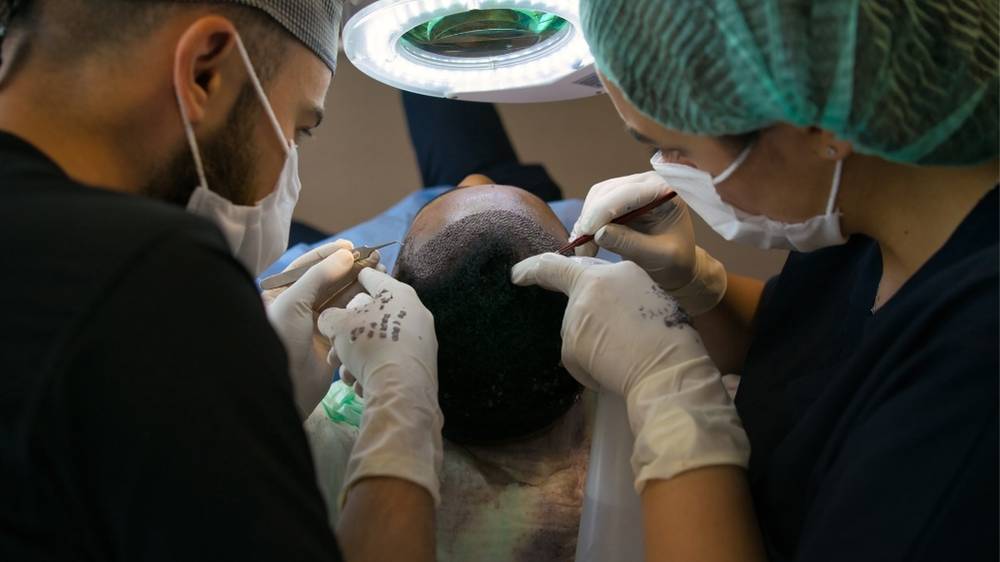
- The technique used: Follicular Unit Extraction (FUE) is the most common modern method, where individual follicles are removed one by one. This is a time-consuming and delicate process that often costs more than older methods but leaves no linear scar.
- The surgeon’s expertise: You are not just paying for the hair; you are paying for the skill, artistic eye, and medical experience of the person performing the surgery. A highly specialised surgeon will naturally charge more than a general practitioner.
- The complexity of the case: Some patients have curly hair, very thin donor hair, or previous scarring from old transplants, all of which can make the procedure more difficult and time-consuming.
- Clinic facilities and technology: High-end clinics in Glasgow that use the latest diagnostic tools and maintain the highest standards of medical safety will have higher overheads, which is reflected in the pricing.
Breaking down the graft counts and what they mean
To give you a better idea of how the hair transplant glasgow cost is structured, it helps to look at what different levels of hair loss actually require. While every head is different, surgeons generally categorise procedures into small, medium, and large sessions. A small session might involve around 1,000 to 1,500 grafts and is typically used for filling in the temples or lowering a hairline slightly. A medium session, perhaps 2,000 to 2,500 grafts, is more common for those with noticeable thinning across the top of the head.
Large sessions, which can exceed 3,000 grafts, are often required for significant hair loss covering the front, middle, and crown areas. Because these sessions can take an entire day—or even two days—the cost increases accordingly. When you see a wide range of prices online, it is usually because the clinic is accounting for these vastly different levels of work.
The difference between FUE and other methods
In Glasgow, the gold standard for many years has been FUE (Follicular Unit Extraction). This technique is favoured because it is minimally invasive and allows for a quicker recovery time. When considering the hair transplant glasgow cost, it is worth noting that FUE is often priced slightly higher than the older FUT (Follicular Unit Transplantation) or ‘strip’ method. In FUT, a strip of skin is removed from the back of the head and dissected. While this can be faster for the surgeon, it leaves a permanent linear scar that many patients want to avoid. Most modern patients in Scotland opt for FUE for its discretion and natural results.
Why you should look beyond the lowest price
It is incredibly tempting to shop around for the cheapest possible deal, especially when you see advertisements for cut-price surgeries abroad. However, when it comes to medical procedures on your face and head, the ‘cheap’ option often ends up being the most expensive in the long run. We have all seen the ‘horror stories’ of botched transplants, over-harvested donor areas, and unnatural-looking hairlines that require expensive corrective surgery later.
When you choose a local clinic and pay a fair hair transplant glasgow cost, you are also paying for accountability. You have a local medical professional you can visit for follow-up appointments, someone who is regulated by UK medical standards, and a team that is available if you have any concerns during your recovery. This peace of mind is difficult to put a price on, but it is a vital part of the overall value of the procedure.
What is usually included in the price?
A reputable clinic in Glasgow will be transparent about what their quote covers. You should always ask for a breakdown to ensure there are no hidden extras that will surprise you on the day of the surgery. Typically, a comprehensive quote for a hair transplant should include:
- The initial medical consultation and hair analysis.
- The surgical procedure itself, including all local anaesthetics.
- A dedicated nursing team to assist the surgeon.
- Lunch and refreshments if the procedure is a full-day session.
- All necessary post-operative medications, such as antibiotics and anti-inflammatories.
- A specialised aftercare kit with specific shampoos and sprays.
- Scheduled follow-up appointments to monitor your growth over the first 12 months.
The value of a local Glasgow consultation
The only way to get an accurate figure for your specific situation is to attend a consultation. Many people try to guess their hair transplant glasgow cost by looking at photos of other people online, but this is rarely accurate. A surgeon needs to look at the density of your donor hair (the hair at the back and sides of your head) and the health of your scalp to determine what is actually possible. They will also use specialised tools to measure your hair calibre, which significantly impacts how many grafts are needed to create a dense look.
During a consultation in a Glasgow centre, you can also discuss your expectations. A good surgeon will be honest with you about what can be achieved. If you have realistic expectations and a clear understanding of the costs involved, you are much more likely to be happy with the final result. They can also explain the timeline of growth, as it takes several months for the transplanted hair to start appearing and up to a year to see the full effect.
Financing and making the procedure affordable
For many people in Scotland, paying the full hair transplant glasgow cost upfront is a significant financial commitment. To make the procedure more accessible, many clinics now offer financing plans or payment options. This allows patients to spread the cost over several months or years, making it more like a monthly subscription than a massive one-off expense. When you are researching clinics, it is always worth asking if they have partnerships with medical finance providers, as this can make the dream of restoring your hair a reality much sooner than you might think.
By focusing on the quality of the work and the long-term results rather than just the lowest price, you ensure that your investment in yourself is one that you will be happy with every time you look in the mirror for decades to come. The goal is a result so natural that no one—not even your barber—can tell you have had any work done at all.

Roberta specializes in user experience design, visual aesthetics, and the integration of emerging technologies in web design.